
When your property is at risk from water damage, you need a service that is reliable and values your home as much as you do. With an industry leading warranty to stand behind it!
When the wind picks up, or a hailstorm blows in, the risk to external structures is high. Your roofing, siding and gutters are most at risk in these conditions and if these systems become compromised it puts the interior of your home at risk for damage.
If you do not seek repair or replacement before the next major weather event, your property is vulnerable to moisture intrusion or flooding. When water cannot drain away efficiently, exterior walls and foundations suffer.
If you believe your home has been affected by a hailstorm do not hesitate to contact us, we can come and give you a free inspection so that if there is damage, we can get the process going so that you don’t end up suffering from more extensive damage when the next storm comes through.
There are many companies that can deal with storm repair but beware of companies that get a little too pushy or are from out of town. These are signs of a company that are just looking to get you done and move on to the next. We are local which means we aren’t going anywhere and always answer our phones when questions or concerns come up.
We are local, so we care a lot about how the community views our company and our work, because we aren’t going anywhere so if you aren’t our customer this time, chances are you may be our customer the next time.
Contact us to find out how we can help you have a stress-free and pleasant experience with superior quality.
Roofs, Soffit
& Fascia
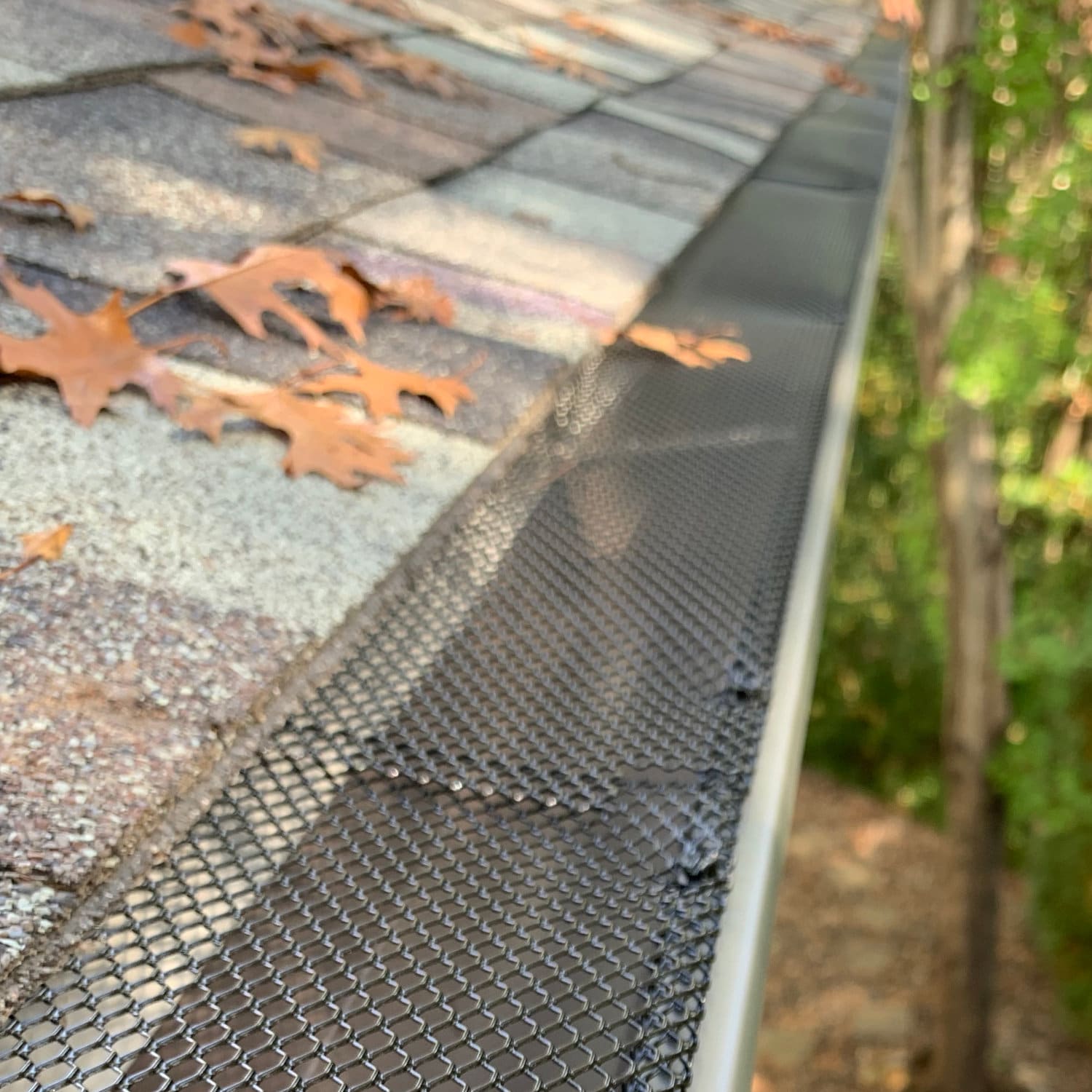
Direct line of Fire during storms
These structures are battered by wind, rain and hail. Replacing all your external draining systems or specific elements can help to protect your home.
Gutters constructed from durable materials do not rust, filter water efficiently, and resist blockages are ideal for preventing storm damage. The installation process is also important in ensuring that leaks do not occur and debris cannot cause problems.
As an added layer of protection, Minnesota Gutter recommends the installation of gutter guards. This feature is designed to prevent debris intrusion in your gutters and downspouts. As a result, water can drain away efficiently, and your home is protected from water damage. It is important to work with a drainage solution specialist you can trust, so get in touch with our team for a free estimate today.
If you need more information on combating potential damage from storms and other extreme weather events, reach out to Minnesota Gutter today. We provide excellent customer service to make your experience pleasant and stress-free.
Roofs, Soffit
& Fascia
Direct line of Fire during storms
These structures are battered by wind, rain and hail. Replacing all your external draining systems or specific elements can help to protect your home.
Gutters constructed from durable materials do not rust, filter water efficiently, and resist blockages are ideal for preventing storm damage. The installation process is also important in ensuring that leaks do not occur and debris cannot cause problems.
As an added layer of protection, Minnesota Gutter recommends the installation of gutter guards. This feature is designed to prevent debris intrusion in your gutters and downspouts. As a result, water can drain away efficiently, and your home is protected from water damage. It is important to work with a drainage solution specialist you can trust, so get in touch with our team for a free estimate today.
If you need more information on combating potential damage from storms and other extreme weather events, reach out to Minnesota Gutter today. We provide excellent customer service to make your experience pleasant and stress-free.